
How to Export Phosphate Rock from Egypt
A practical procurement and export guide for fertilizer manufacturers, phosphoric acid producers, agricultural suppliers, industrial processors, mineral traders and international buyers sourcing Egyptian phosphate rock.
Reference information supports initial buyer screening. Final grade, chemistry, particle size, packing and shipment acceptance must be confirmed through the current COA, approved sample, final offer and signed contract.
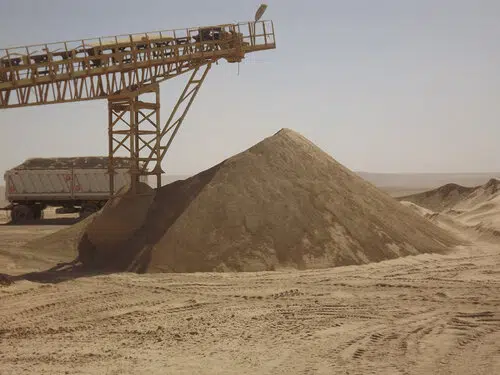
Successful phosphate rock sourcing starts before the price request.
A serious export transaction requires technical alignment, representative sampling, clear commercial terms, suitable packing, destination compliance and a documented quality-control procedure.
Technical Definition
Confirm the required P₂O₅ grade, full chemistry, form, moisture, particle-size distribution and intended application.
Quality Verification
Align the COA, sample identity, testing method, laboratory, inspection scope and contractual tolerances.
Commercial Planning
State the quantity, packing, loading plan, destination port, Incoterm, shipment window and payment conditions.
Document Control
Agree on the commercial, origin, shipping, inspection and destination documents before loading.
Define the phosphate rock requirement before requesting a quotation.
Phosphate rock should not be purchased according to P₂O₅ percentage alone. Material with the same headline grade can differ in impurities, moisture, physical form, particle size and suitability for the buyer’s process.
Technical information required
- Target P₂O₅ grade and acceptable tolerance.
- CaO, SiO₂, Fe₂O₃, Al₂O₃, MgO and other chemistry limits.
- Moisture, loss on ignition and any process-specific limits.
- Powder, crushed material or phosphate rock lumps.
- Required mesh, size range or particle-size distribution.
- Fertilizer, phosphoric acid, agriculture or industrial application.
Commercial information required
- Trial quantity or metric tons per shipment.
- Expected monthly or annual purchasing program.
- Bulk, jumbo bags, smaller bags or containerized supply.
- Destination country and exact destination port.
- Requested FOB, CFR or CIF quotation basis.
- Inspection, documentation and target shipment date.
Validate the offered material through COA, sampling and inspection.
The buyer should determine whether the analysis provided is a general reference, a stockpile analysis, a production-lot result or a shipment-specific certificate. The sample and analysis must be linked to the material being offered.
Certificate of Analysis
Review the complete chemical and physical analysis, test date, laboratory identity, analytical methods and sample reference.
Representative Sampling
Agree where the sample will be collected, who will collect it, how it will be sealed and which stockpile, lot or shipment it represents.
Independent Inspection
For major transactions, buyers may agree on independent sampling, analysis, weighing, packing inspection or loading supervision.
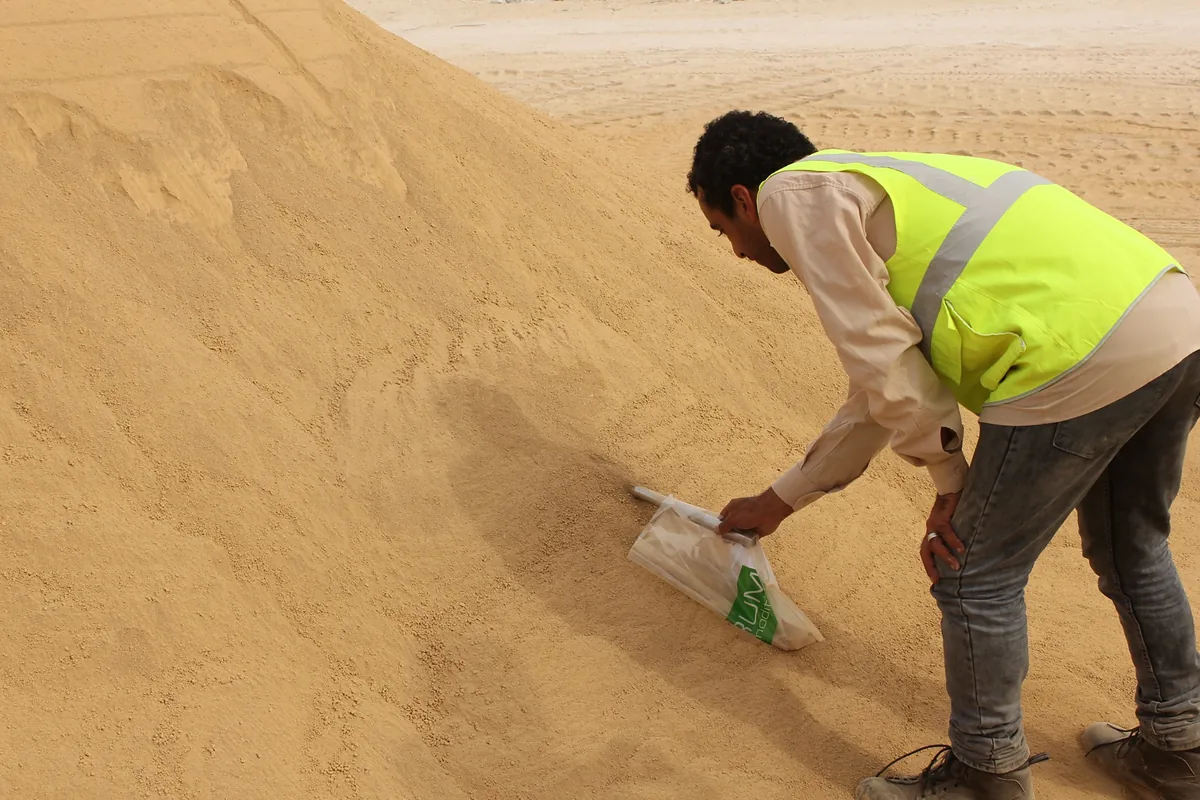
Align the technical offer with clear commercial terms.
A professional quotation should connect the exact offered specification with quantity, packing, loading point, destination, shipment period, inspection and document requirements.
| Quotation Item | What Must Be Confirmed | Why It Matters |
|---|---|---|
| Grade and chemistry | P₂O₅, complete chemistry, moisture and tolerances. | Defines technical suitability and commercial comparison. |
| Product form | Powder, crushed material, lumps or required size profile. | Affects processing, handling, dust, loading and cost. |
| Quantity | Trial quantity, shipment quantity and recurring program. | Affects production planning, packing and freight options. |
| Packing | Bulk, jumbo bags, smaller bags or container loading. | Affects material handling, loading time and landed cost. |
| Incoterm | Exact rule, named port or place and applicable version. | Clarifies cost, transport and risk responsibilities. |
| Inspection | Sampling, laboratory, weight and loading supervision. | Prevents disputes over quality and quantity. |
| Shipment window | Material preparation and estimated loading period. | Supports vessel, container and production scheduling. |
| Documents | Required originals, wording, legalization and consignee data. | Reduces payment and customs-clearance delays. |
FOB, CFR and CIF should be used with the correct named port and understood according to the applicable ICC Incoterms® rules .
Select the shipment route that matches the order volume and destination.
Bulk Shipment
Suitable for large-volume programs where loading and destination ports can receive and handle bulk mineral cargo.
- Port and vessel suitability.
- Loading and discharge capability.
- Storage and moisture protection.
- Weight and draft planning.
Jumbo Bags
Suitable when the buyer requires controlled handling, separation, storage or easier distribution after arrival.
- Required bag capacity.
- Liner and bag construction.
- Lifting-loop configuration.
- Printing and marking details.
Containerized Supply
May support trial orders, bagged products and destinations where direct bulk-vessel handling is not practical.
- Permitted payload.
- Weight distribution.
- Container condition.
- Loading and unloading method.
Confirm all export and destination documents before loading.
The final document package depends on the contract, shipment method, payment conditions, buyer instructions and destination-country requirements.
Common transaction documents
- Commercial Invoice.
- Packing List or Weight List.
- Certificate of Analysis.
- Certificate of Origin, when required.
- Bill of Lading.
- Inspection or Weight Certificate, when agreed.
- Insurance documents for applicable shipment terms.
Buyer instructions to confirm
- Consignee and notify-party details.
- Required wording and product description.
- Number of originals and copies.
- Legalization or chamber requirements.
- Import licence or conformity requirements.
- Destination customs and labelling requirements.
- Banking or letter-of-credit document conditions.
Phosphate rock export workflow from inquiry to document delivery.
Receive and review the buyer’s RFQ
Confirm the grade, chemistry, physical form, quantity, packing, destination, Incoterm, inspection and application.
Match the inquiry with available material
Review the available grade, stock or supply program, preparation requirements and practical shipment timing.
Submit the technical and commercial offer
State the reference analysis, product form, quantity, packing, price basis, quotation validity and shipment conditions.
Approve sampling and inspection conditions
Determine sample identity, laboratory, analytical method, inspection company and acceptance procedure.
Finalize the contract and payment arrangement
Confirm specification, tolerances, quantity, Incoterm, payment terms, documents, claims and shipment period.
Prepare, inspect and pack the material
Complete material preparation, sampling, analysis, packing and pre-loading checks according to the agreement.
Load and complete export formalities
Coordinate container or vessel loading, customs procedures, weight control and the agreed loading supervision.
Issue and review the final shipment documents
Provide the final invoice, COA, packing or weight details, Bill of Lading and other agreed documents for buyer review.
Common purchasing mistakes international buyers should avoid.
| Common Mistake | Commercial Risk | Recommended Control |
|---|---|---|
| Requesting price without a complete specification. | Offers cannot be compared on the same basis. | Issue a complete technical and commercial RFQ. |
| Evaluating the material only by P₂O₅. | Impurities or physical properties may affect the process. | Review complete chemistry, moisture, form and PSD. |
| Treating a reference COA as a shipment guarantee. | The final lot may not be linked to the reference sample. | Define lot sampling and final acceptance in the contract. |
| Confirming document instructions after loading. | Document, banking or customs delays may occur. | Approve document wording before shipment. |
| Using an Incoterm without a named port. | Cost and responsibility become unclear. | State the exact Incoterm, named port and applicable version. |
| Ignoring destination-country requirements. | Cargo may face clearance, inspection or registration delays. | Verify requirements through the importer and customs broker. |
Egyptian Rock Phosphate Technical Data Sheet
Review the TAS Flowrance technical document covering the commercial P₂O₅ range, reference chemistry, particle-size considerations, quality-control workflow, packing, logistics and buyer RFQ requirements.
Pack the product according to the destination and handling plan.
Bag capacity, bag construction, liner, printing, palletization, container payload and loading arrangement should be agreed before the final offer is confirmed.
The photograph is a representative TAS Flowrance packing reference. Final bag design, weight, markings and shipment presentation must follow the individual order.
Review Export Packing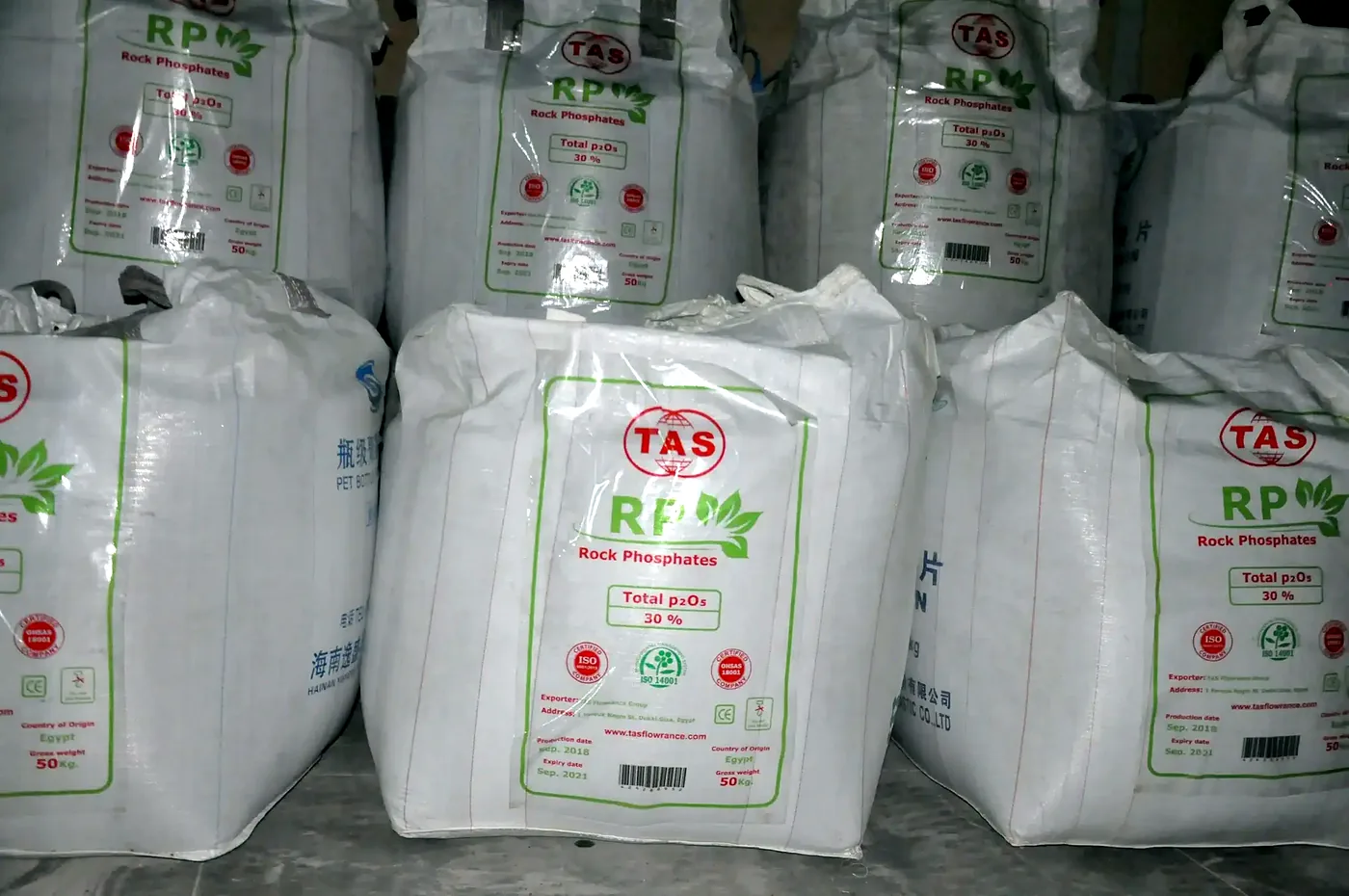
Request Egyptian phosphate rock supply information.
Send a complete purchasing requirement so the TAS Flowrance team can review the suitable grade, form, packing and export route.
Send your phosphate rock inquiry
Frequently asked questions about exporting phosphate rock from Egypt.
What information is required for a phosphate rock quotation?
Can Egyptian phosphate rock be supplied as powder or lumps?
Is a reference COA a final shipment guarantee?
Can an independent inspection company be appointed?
Are FOB, CFR and CIF quotations available?
Which documents should the buyer confirm before shipment?
Planning an Egyptian phosphate rock shipment?
Send the required grade, full specification, quantity, packing, destination port and preferred shipment terms for technical and commercial review.