
High-Quality Bulk Phosphate Shipments from Egypt
A practical guide for international buyers planning the preparation, inspection, documentation and loading of Egyptian phosphate rock in organized bulk shipment programs.
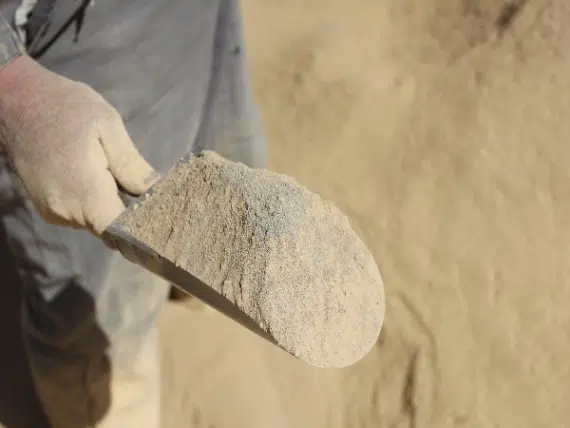
Bulk phosphate supply requires controlled cargo preparation.
The buyer should establish the identity of the offered material, connect it to a traceable stockpile or lot, define sampling and testing rules, confirm moisture and particle size, and ensure that the loading and receiving facilities can handle the proposed cargo.
Cargo Identity
The loaded cargo should match the agreed grade, physical form, lot and current analysis.
Quality Evidence
Samples, COA results, inspection records and quantity evidence should remain traceable.
Loading Readiness
Stock availability, handling route, equipment and shipment timing must be practical.
Receiving Compatibility
The destination must be able to discharge, store and process the proposed cargo form.
Five conditions should be cleared before shipment confirmation.
Technical acceptance, cargo traceability, quantity, inspection and logistics should be aligned before a final bulk offer is approved.
Technical specification
Required P₂O₅, chemistry, moisture, particle size, physical form and permitted tolerances are documented.
Identified cargo source
The material is linked to a known stockpile, production lot or current supply program.
Practical shipment volume
Quantity, shipment tolerance and preparation period are compatible with current availability.
Sampling and inspection plan
Sampling location, laboratory, testing methods, weight determination and third-party scope are agreed.
Port and receiving compatibility
Loading, vessel or container planning, discharge and destination storage have been reviewed.
Technical and operational controls for bulk phosphate cargo.
Each parameter should have a clear test method, acceptance basis and supporting evidence linked to the offered shipment.
| Control Area | Buyer Requirement | Main Risk | Recommended Evidence |
|---|---|---|---|
| P₂O₅ grade | Target value, tolerance and analytical basis. | Cargo may not provide the expected phosphate value. | Current lot or shipment COA. |
| Impurity profile | Limits for silica, iron, alumina, magnesium and other relevant components. | Processing performance or final product quality may be affected. | Complete chemical analysis. |
| Moisture | Maximum permitted moisture and test basis. | Reduced dry value and handling difficulties. | Agreed moisture test. |
| Particle size | Required size range and fines or oversize limits. | Dust, poor flow or extra processing. | Shipment-linked sieve analysis. |
| Lot identity | Clear stockpile, lot or shipment reference. | The tested sample may not represent the loaded cargo. | Sample ID and inspection records. |
| Weight | Agreed measurement method and tolerance. | Difference between contracted and delivered quantity. | Draft survey or weighbridge evidence. |
A structured process from buyer inquiry to final dispatch.
Review the buyer specification
Confirm grade, complete chemistry, form, size, moisture, quantity, destination and final application.
Allocate the material
Identify the stockpile, lot or supply program intended to support the shipment.
Prepare and segregate the cargo
Reduce uncontrolled mixing, excessive moisture and contamination during preparation.
Collect representative samples
Identify, seal and document samples using the agreed inspection procedure.
Review the current analysis
Compare the COA and sizing results with the approved buyer specification.
Confirm loading readiness
Review movement, port, equipment, cargo-space and loading schedule requirements.
Load and record the shipment
Complete the agreed loading, sampling, inspection and quantity controls.
Issue the shipment file
Provide the final COA, quantity evidence, commercial documents and shipping records.
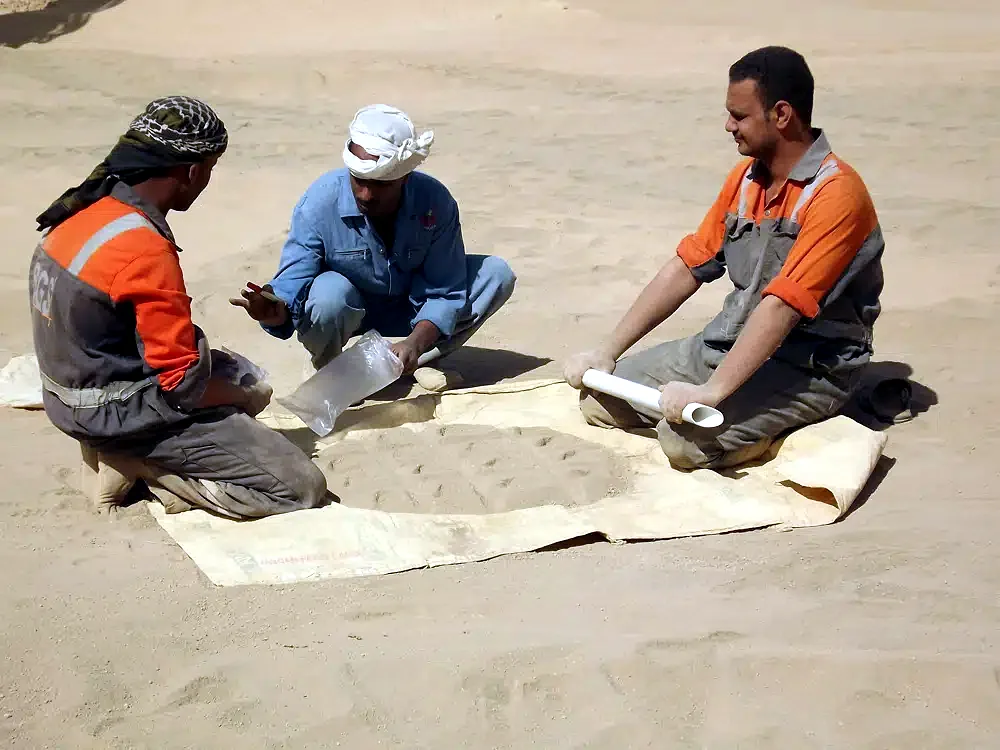
Reliable analysis starts with a representative sample.
The parties should agree whether sampling occurs from the stockpile, during cargo movement, during loading or through a composite shipment sample.
- Define who collects and witnesses the sample.
- Confirm sampling frequency and locations.
- Use clearly identified and sealed sample portions.
- Keep retained samples for possible re-testing.
- Agree on the laboratory and analytical methods.
- Define how conflicting results will be resolved.
Cargo readiness must be matched with loading and receiving capacity.
Loading readiness
- Available cargo and preparation date.
- Transport route to the loading point.
- Stockyard and loading equipment.
- Expected loading rate.
- Operational restrictions.
Vessel or container plan
- Proposed quantity and tolerance.
- Berth and draft conditions.
- Cargo-space suitability.
- Loading sequence.
- Weather and schedule planning.
Receiving readiness
- Discharge method and rate.
- Receiving and storage capacity.
- Dust and moisture controls.
- Warehouse or plant route.
- Customs and inspection planning.
Build a complete technical and commercial shipment file.
Exact document requirements depend on the contract, payment method, shipment route and destination country.
Egyptian Rock Phosphate Technical Data Sheet
Review the TAS Flowrance technical reference covering commercial grades, chemistry, particle size, quality control, packing, logistics and buyer RFQ requirements.
Send your complete bulk phosphate requirement.
Complete shipment details allow the TAS Flowrance team to review grade, current availability, loading requirements, inspection and commercial feasibility.
Submit your inquiry
Bulk phosphate shipment frequently asked questions.
What information is required for a bulk phosphate quotation?
Is P₂O₅ sufficient to approve a phosphate cargo?
Can independent inspection be arranged?
Why is moisture important?
Is bulk shipment suitable for every buyer?
Planning a Bulk Phosphate Rock Shipment from Egypt?
Send the required grade, complete specification, quantity, destination port, shipment window and inspection requirements. Our export team will review the technical and commercial feasibility.