
How Fertilizer Buyers Can Evaluate Phosphate Products Before Importing
A practical procurement guide covering phosphate rock, granular phosphate, SSP, TSP, P₂O₅ reporting, physical quality, Certificate of Analysis, packing, inspection, shipping terms and supplier evaluation.
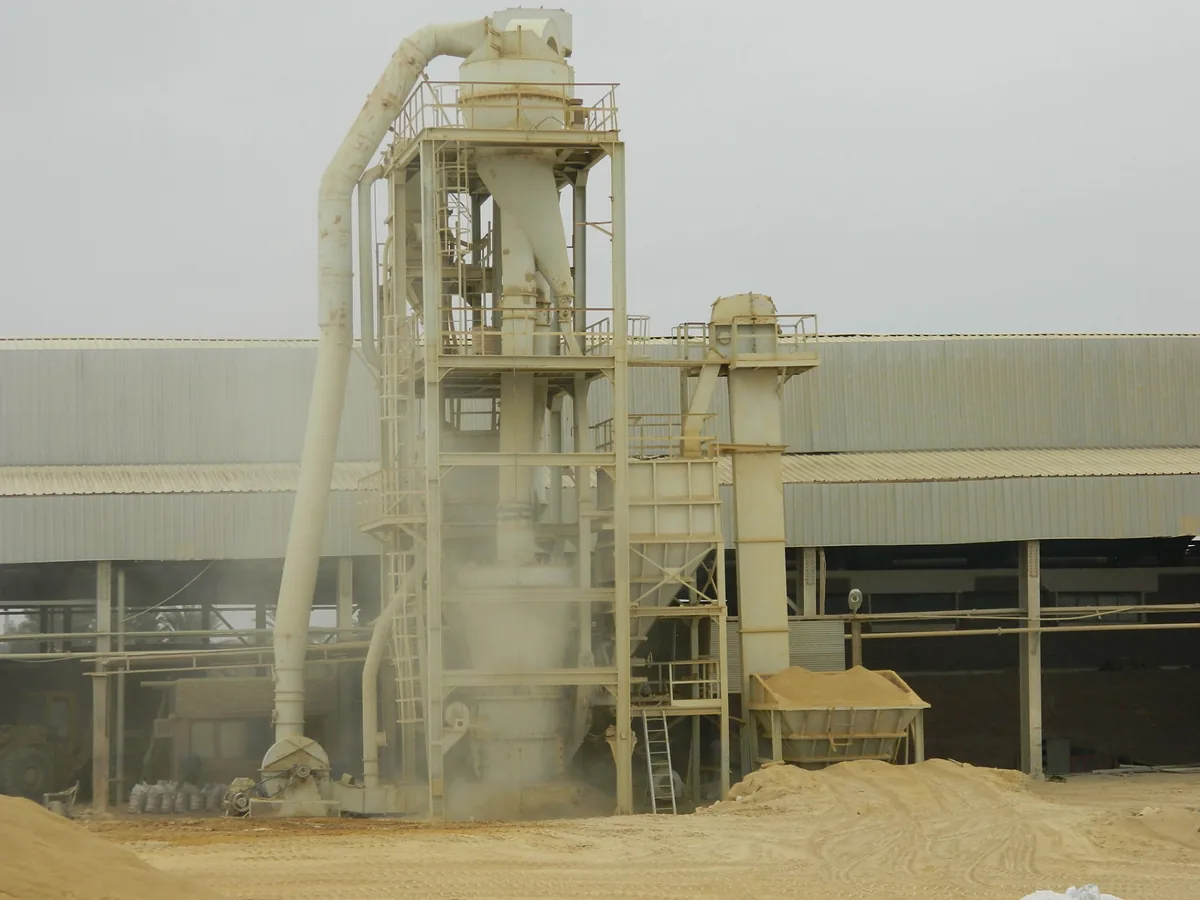
Phosphate fertilizer procurement should never be based only on the product name or the lowest price per metric ton. Buyers should evaluate chemical analysis, physical condition, particle size, packing, documentation, inspection procedures and contractual acceptance limits before shipment.
Identify the Exact Phosphate Product Required
The term phosphate fertilizer covers several raw materials and processed products. Each product has a different nutrient profile, physical form and intended commercial, agricultural or industrial use.
Phosphate Rock
Natural phosphate supplied according to P₂O₅ grade, chemical composition, powder or lump form, particle size and intended processing application.
View Phosphate Rock →Granular Phosphate
Granular phosphate should be evaluated by P₂O₅ target, size range, moisture, fines, granule stability, packing and the applicable COA.
View Granular Phosphate →Single Superphosphate — SSP
SSP supplies phosphorus together with sulfur and calcium. Buyers should review available P₂O₅, moisture, free acidity and physical form.
View SSP →Triple Superphosphate — TSP
TSP is a concentrated phosphorus fertilizer. Evaluation should include available P₂O₅, moisture, acidity, granule size and handling quality.
View TSP →Understand How P₂O₅ Is Reported
Phosphorus is commonly declared as phosphorus pentoxide, or P₂O₅. Different products may use different analytical bases, and these figures should not be compared without reviewing the applicable test method.
| Reporting Basis | Meaning | Buyer Review |
|---|---|---|
| Total P₂O₅ | Total measured phosphorus expressed as P₂O₅. | Commonly reviewed for phosphate rock and mineral feedstock. |
| Available P₂O₅ | Phosphorus considered available under the applicable analytical method. | Confirm the regulatory and laboratory basis required by the destination market. |
| Water-Soluble P₂O₅ | The portion measured as water soluble under a specified method. | Do not compare directly with total P₂O₅ without understanding the analytical basis. |
| Citrate-Soluble Value | A solubility result produced through a specified laboratory test. | The test method should be stated in the contractual specification or COA. |
Request a Complete Technical Specification
The required parameters depend on the product, intended application and destination-market rules. A technical specification may include:
- P₂O₅ value and analytical basis
- Calcium or CaO where relevant
- Sulfur or SO₃ declaration
- Moisture percentage
- Free acidity where applicable
- Chloride and fluorine where required
- Silica, iron and aluminium oxides
- Particle-size distribution
- Granule strength where applicable
- Heavy metals where legally required
- Typical specification: the normal or indicative product range.
- Contractual specification: the agreed limits, values and accepted tolerances.
- Certificate of Analysis: the analytical results associated with the applicable batch or shipment.
Evaluate Physical Quality, Not Chemistry Alone
Particle and Granule Size
Buyers should confirm the required particle or granule range, percentage inside that range, oversize material and fine fraction. Size distribution affects handling, blending, application and storage.
Granule Strength
Weak granules may break during loading, sea transport, discharge and warehouse handling. This can increase fines and reduce product flowability.
Moisture and Caking
Excess moisture can contribute to caking, difficult unloading, bag deformation and storage problems during long-distance shipment.
Confirm Packing and Export Requirements
Match Packing With the Buyer’s Supply Route
Packing should match the product, shipment method, destination, storage conditions and buyer’s unloading facilities.
- Bulk shipment where commercially suitable.
- Loose cargo loaded inside containers.
- Jumbo bags according to agreed specifications.
- Small bags such as 25 kg or 50 kg when confirmed.
- Palletized supply where required by the buyer.
Bag weight, material, liner, markings, lifting arrangement, container payload and loading tolerance should be confirmed in the quotation.
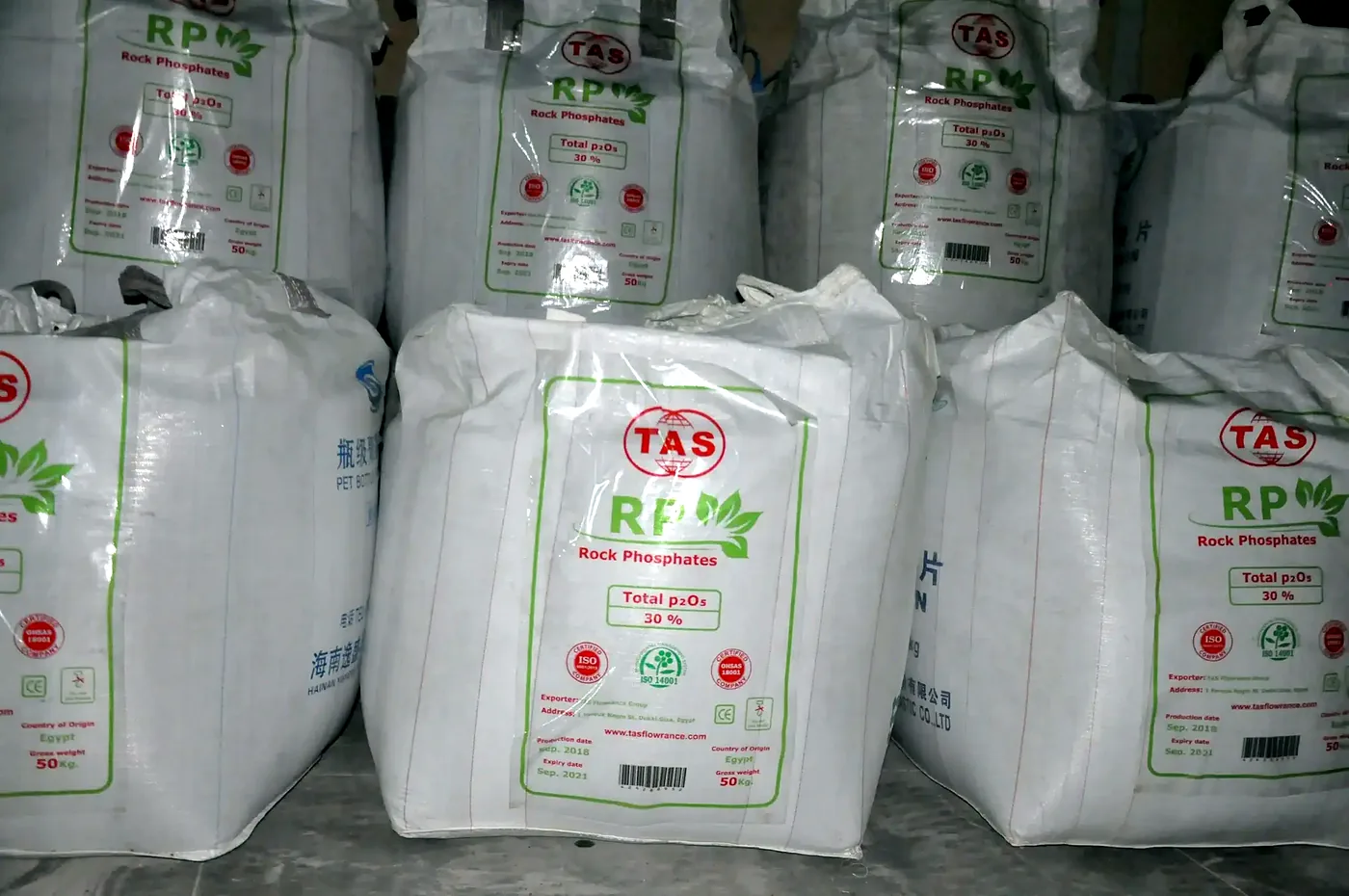
- Net weight per bag
- Bag material and construction
- Inner liner requirement
- UV protection where required
- Product printing and labeling
- Lifting-loop arrangement
- Container payload
- Number of bags per container
- Permitted loading tolerance
- FOB, CFR or CIF requirement
Review the Certificate of Analysis Carefully
The Certificate of Analysis should correspond to the applicable product, batch or shipment rather than being treated only as a general historical reference.
- Correct product identification
- Batch or shipment reference
- Sampling date
- Analysis date
- Required test parameters
- Actual laboratory results
- Test methods where available
- Laboratory identification
- Authorized signature or approval
- Connection to the relevant shipment
Verify Destination-Country Import Requirements
Fertilizer registration, permitted nutrient declarations, contaminant limits, labeling and conformity requirements vary by destination country.
- Fertilizer registration or local product approval.
- Permitted nutrient declaration method.
- Heavy-metal and contaminant limits.
- Required labeling language.
- Certificate of Origin.
- Pre-shipment inspection where applicable.
- Certificate of conformity requirements.
- Local importer or distributor licensing.
The importing party should confirm destination-market requirements before shipment and include all required documentation in the purchase agreement.
Assess the Supplier’s Commercial Reliability
Confirm Company Identity
Review the contracting entity, company details, official email, address and authorized representatives.
Request Current Product Evidence
Ask for relevant product information, current packing confirmation, a technical data sheet and an appropriate sample COA.
Understand the Supply Role
Clarify whether the company acts as a producer, processor, supplier, trader, exporter or a combination of these functions.
Consider a Trial Shipment
For a new business relationship, a controlled trial quantity may reduce technical and commercial risk before a larger supply program.
Compare Offers on Delivered and Usable Value
The lowest quoted price per metric ton is not always the lowest final procurement cost.
| Evaluation Factor | Commercial Impact |
|---|---|
| Nutrient concentration | Influences the usable nutrient delivered per metric ton. |
| Moisture and fines | May reduce usable material and increase handling losses. |
| Granule or particle quality | Affects handling performance after transport and discharge. |
| Packing quality | Influences storage, handling, presentation and product protection. |
| Freight and port costs | May materially change the final delivered price. |
| Inspection and testing | Should be included when required by the contract or destination market. |
| Rejection or claim risk | Poorly defined specifications may lead to disputes and additional costs. |
Prepare a Clear Fertilizer Request for Quotation
A detailed RFQ allows the supplier to prepare a faster, clearer and more accurate technical and commercial response.
- Exact product name
- Required chemical specification
- Required physical specification
- Quantity in metric tons
- Packing preference
- Destination country and port
- Preferred Incoterm
- Required shipment schedule
- Inspection requirement
- Required export documents
- Payment-term request
- Intended application where relevant
Example of a Clear B2B Fertilizer Inquiry
Product: Phosphate Rock / Granular Phosphate / SSP / TSP
Required Grade: [Insert target analysis]
P₂O₅ Basis: [Total / Available / Water Soluble]
Required Quantity: [Insert metric tons]
Physical Form: [Powder / Lumps / Granular]
Particle Size: [Insert required range]
Packing: [Bulk / Jumbo Bags / 50 KG Bags]
Destination Port: [Insert port and country]
Incoterm: [FOB / CFR / CIF]
Inspection: [Insert requirement]
Required Documents: [COA, Certificate of Origin, Packing List, etc.]
Shipment Period: [Insert required schedule]
A Structured Procurement Process Reduces Risk
Successful phosphate and fertilizer procurement requires more than selecting a commercial product name and negotiating the lowest headline price.
Buyers and suppliers should agree on measurable chemical and physical specifications, test methods, packing, inspection, documentation, commercial terms and acceptance procedures before shipment.
This structured process protects both parties, improves product consistency and supports reliable long-term international fertilizer supply relationships.
Frequently Asked Questions
Is total P₂O₅ the same as available P₂O₅?
No. They represent different analytical bases. Buyers should confirm which value is quoted and the applicable laboratory test method.
Is a typical specification a shipment guarantee?
Not automatically. The contractual specification defines the agreed limits, while the relevant Certificate of Analysis reports the applicable batch or shipment results.
What information is required for quotation?
The buyer should provide product name, grade, analytical requirement, physical form, particle size, quantity, packing, destination port, Incoterm, shipment timing and document requirements.
Should buyers request independent inspection?
This depends on the transaction, buyer policy and destination requirements. When inspection is agreed, the contract should define the appointed company, sampling point, laboratory, test method and acceptance procedure.
Request a Phosphate Fertilizer Quotation
Send the required product, specification, quantity, packing, destination port, preferred Incoterm and shipment schedule. Final supply remains subject to availability, contractual confirmation and the applicable Certificate of Analysis.