
Export Process & Documentation
Plan your mineral or fertilizer shipment from Egypt with a clear export workflow. TAS Flowrance coordinates product specifications, commercial terms, packing, inspection and shipping documents for international buyers.
From your first enquiry to shipment-document handover.
How the Export Process Works
Confirm the material and commercial requirements first. The product specification, packing instructions, document details and shipment schedule should describe the same agreed order.
Buyer RFQ Intake
Collect product, specification, quantity, packing, destination, Incoterm and shipment window.
Technical & Commercial Alignment
Confirm grade, form, tolerances, sample or COA basis, quantity and required services.
Quotation & Incoterm
Issue the price basis, validity, shipment term, payment basis and exclusions.
Shipment Readiness
Align product availability, packing, dispatch, inspection, loading route and timing.
Draft Document Review
Review legal names, product wording, package data, ports and buyer instructions.
Loading & Carrier Execution
Complete dispatch, port or container loading and carrier-document instructions.
Final Document Handover
Deliver the agreed shipment file and support buyer clarification or receiving follow-up.
Documents for Mineral & Fertilizer Exports
Use this checklist to prepare your shipment instructions. The required documents depend on the product, destination, payment method, carrier and contract.
| Document / Record | Primary Purpose | Control Point |
|---|---|---|
| Proforma Invoice / Quotation | Defines the proposed commercial basis before order confirmation. | Product, price basis, quantity, Incoterm, validity, payment and exclusions. |
| Commercial Invoice | Supports commercial, payment and customs processing. | Legal parties, product description, currency, value, quantity and trade terms. |
| Packing List | Describes packages, net/gross weight and packing configuration. | Package count, bag type, units, marks and weight consistency. |
| Certificate of Origin | Supports declaration of product origin for buyer and customs records. | Exporter, consignee, description, origin and shipment reference. |
| Current COA / Analysis | Supports product-quality review for the offered lot or shipment. | Sample identity, methods, parameters, units, date and acceptance basis. |
| Inspection / Weight Record | Supports agreed verification where required. | Inspector, scope, location, date, method, findings and report authority. |
| Bill of Lading | Records carriage and loaded-shipment details through the carrier. | Parties, ports, vessel/container, cargo and release method. |
| Destination-Specific Documents | Supports additional customs, bank or authority requirements when applicable. | Issuer, wording, legalization, originals/copies and timing. |
Before Approving Draft Documents
- Confirm buyer, consignee and notify-party legal names, addresses and registration details.
- Check the product description, grade, package count, net and gross weights, loading port and destination port.
- Send any bank or letter-of-credit wording, certificate and legalization requirements early.
- Agree draft approval, original or electronic documents and the bill-of-lading release method.
Confirm destination-specific requirements with your customs broker, bank and carrier before shipment.
FOB, CFR & CIF Export Quotations
State the requested delivery term and named port when sending your enquiry. Confirm the agreed Incoterms® version and the scope of costs, insurance, loading and documents in the written offer.
| Term | Name | Details to Confirm |
|---|---|---|
| FOB | Free On Board | Named loading port, shipment window, vessel instructions, loading basis and document scope. |
| CFR | Cost and Freight | Named destination port, freight basis, cargo description, shipment assumptions and exclusions. |
| CIF | Cost, Insurance and Freight | Named destination port, agreed insurance basis and shipment-document requirements. |
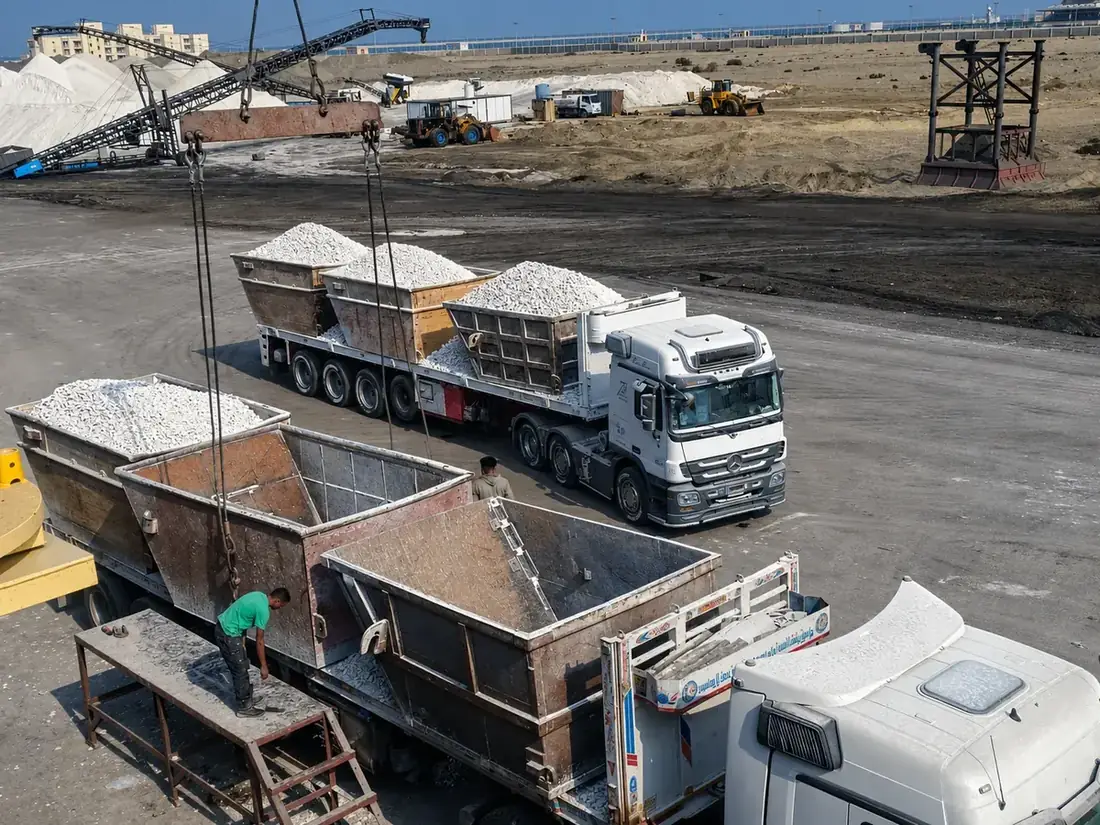
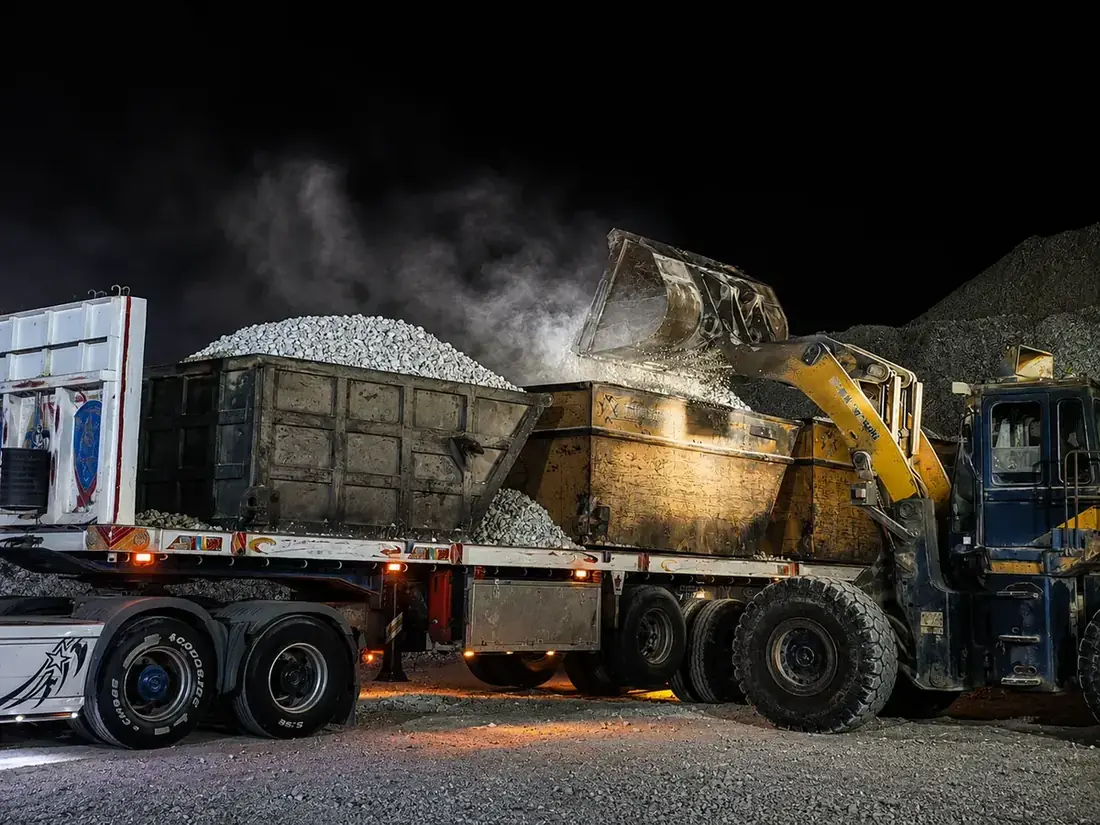
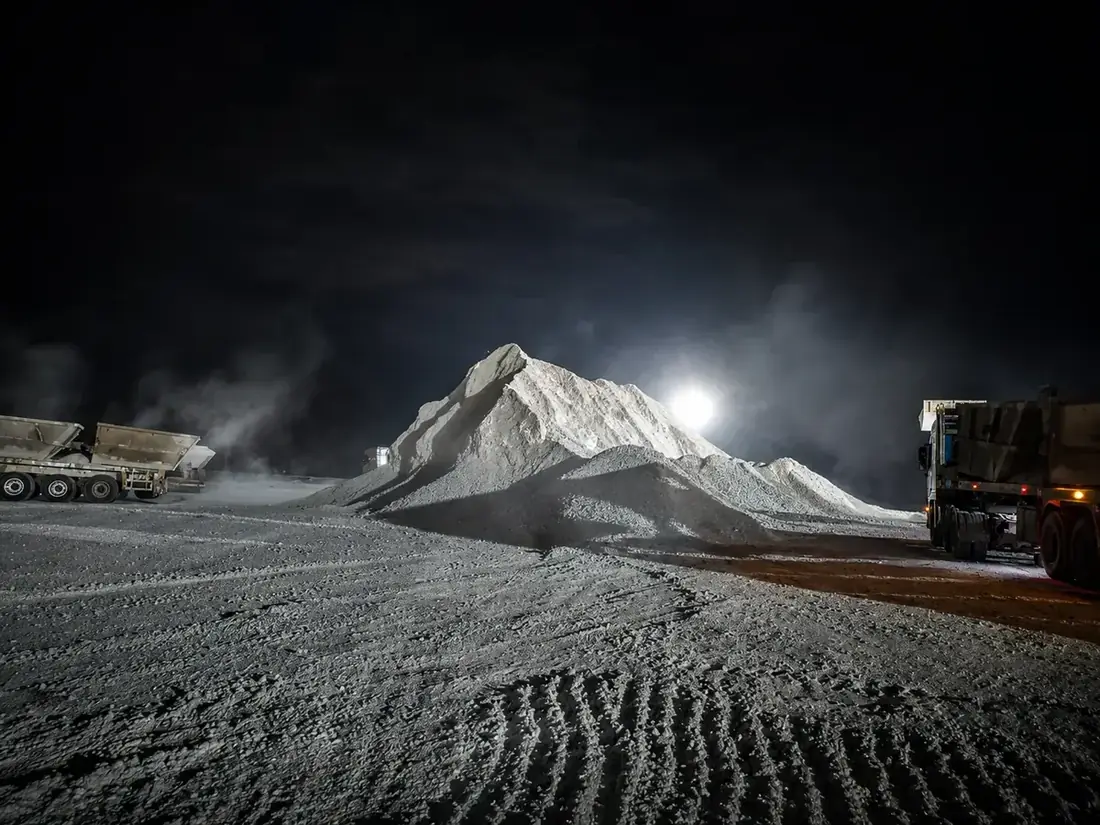
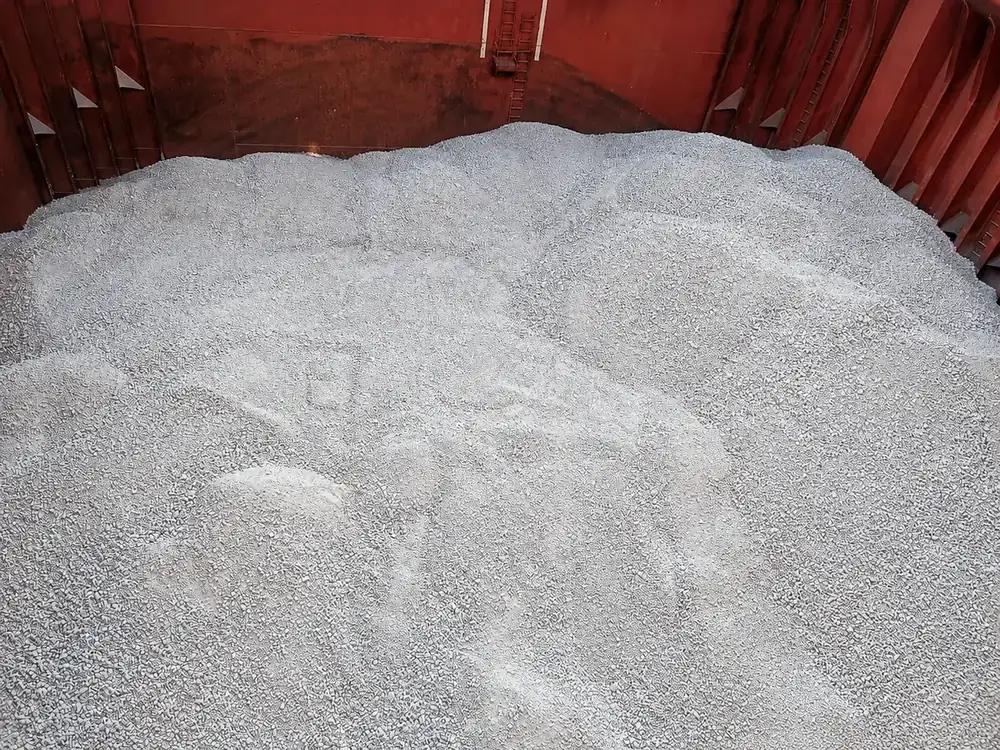
Gypsum Transport & Loading Operations
Product handling, stock readiness and loading arrangements support the shipment plan. These photographs show gypsum operations; the actual arrangements are confirmed for each product and order.
Review Specifications, Quality & Shipment Details
Quality Assurance & Inspection
Specification, traceability, sampling, current COA and inspection controls.
Open Quality Assurance →Technical Resources
Product data sheets for initial product and procurement screening.
Open Technical Resources →Phosphate Rock Export
A specialized export workflow for Egyptian rock phosphate buyers.
Open Phosphate Export →Photo Library
Real product, packing, handling and loading photographs.
Open Photo Library →Send Your Product & Shipment Requirements
Include the product and grade, required analysis or sample basis, quantity, packing, destination country and port, preferred delivery term and shipment window. Add any inspection, bank or document requirements.
Export Process & Document FAQs
What documents commonly support an export shipment?
The file can include a commercial invoice, packing list, certificate of origin, current COA or analysis, bill of lading and other documents when applicable.
Are the same documents required for every shipment?
No. The final list depends on product, destination, payment method, Incoterm, carrier, inspection scope and contract.
Can document drafts be reviewed before final issuance?
Draft details can be reviewed when available and agreed, especially legal names, product descriptions, packages, weights and ports.
When is the final bill of lading available?
The carrier or its agent issues it after shipment execution, subject to approved instructions and the agreed release method.