
Quality Assurance & Inspection
Match the offered material to your production requirements. TAS Flowrance coordinates specification review, sampling, current Certificates of Analysis (COA), packing checks and agreed inspection for mineral and fertilizer exports from Egypt.
Product specification · Current COA · Sampling · Pre-shipment review

Quality Checks for Your End Use
The right controls depend on the product and how it will be used. Share the parameters that affect your process so the offered grade, sample and analysis can be reviewed against the same requirements.
Fertilizer & Phosphate Processing →
Review nutrient grade, relevant impurities, moisture, product form and sizing against the receiving plant’s requirements.
Glass & Industrial Silica →
Specify silica content, iron and other impurity limits, and the particle-size distribution needed by your production process.
Water Filtration Media →
Send the required sand and gravel grading, cleanliness and media-layer requirements for review against your filter design.
From Buyer Specification to Pre-Shipment Checks
Define the quality requirements before confirming the order. The six steps below connect the material, sample, analysis and packing with the agreed acceptance criteria.
Buyer Specification Alignment
Define application, product form, chemistry, physical limits, tolerance and required test basis.
Lot Identification & Traceability
Connect the offered product to an identifiable stock, lot, source or shipment basis.
Representative Sampling Scope
Agree where, when and how samples will be collected, combined, sealed and identified.
Analysis & Physical Review
Confirm the relevant chemistry, moisture, size distribution, appearance and product condition.
Packing & Pre-Loading Verification
Review the agreed packing route, visible bag condition, lot separation and loading readiness.
Agreed Acceptance Criteria
Confirm the approved specification, analysis, sample or inspection basis, test methods and tolerances before confirming shipment.
What to Check in the Product & Documents
Use the checklist to identify the evidence required for your material. Exact values and test methods belong in the product specification and current transaction documents.
| Control Area | Typical Review | Controlling Evidence |
|---|---|---|
| Product Identity | Name, form, grade or commercial designation | Current offer, lot declaration and transaction documents |
| Chemistry | Buyer-required major components and impurity limits | Current COA using an agreed test method |
| Moisture / LOI | Product and commercial-weight impact where relevant | Current analysis and agreed basis |
| Particle Size | Mesh, sieve distribution, granulation, oversize and fines | Current sieve or physical analysis |
| Sampling | Location, increments, composite sample, sealing and identification | Agreed sampling statement or inspection report |
| Packing | Bag type, liner, markings, pallet or bulk route | Approved packing instruction and loading record |
| Quantity / Weight | Shipment quantity and weighing basis | Agreed weighing records and shipping documents |
| Final Acceptance | Agreed specification, test methods and acceptance criteria | Approved specification, current COA, sample and agreed inspection report |
Third-Party Inspection Before Shipment
An independent inspection company can be agreed before shipment. Define the scope and reporting requirements early so sampling, testing, weighing and loading checks can be coordinated with the shipment schedule.
- Scope: product identity, sample collection, chemical or physical tests, packing, weight and loading observations as required.
- Method and timing: sampling point, lot reference, test methods, inspection location and report deadline.
- Responsibilities: agreed inspector, acceptance criteria, reporting recipients and cost allocation.
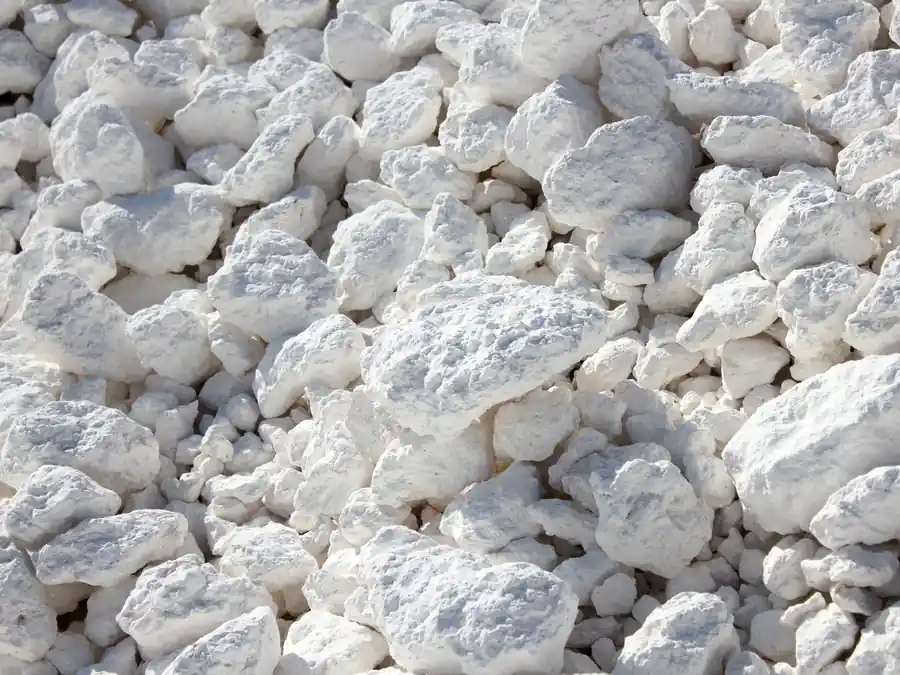
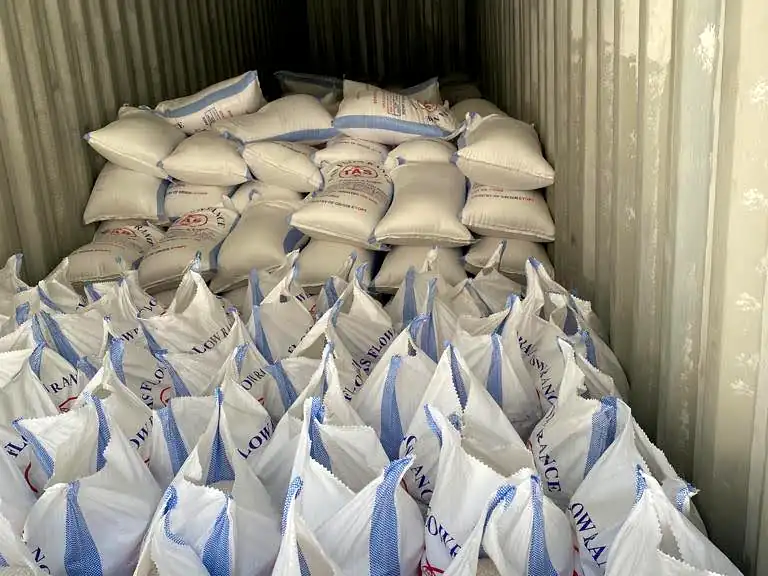
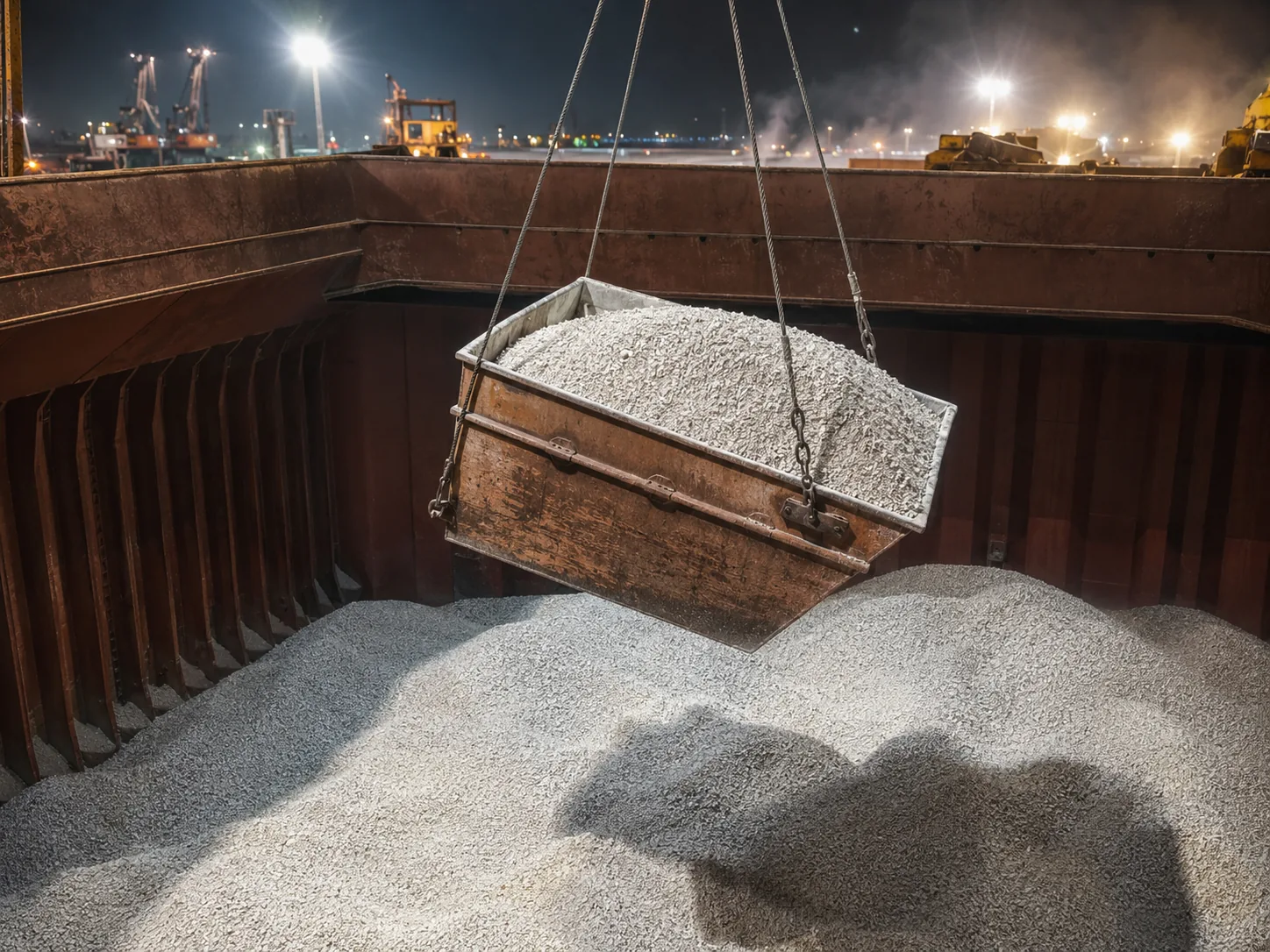
Product Form, Packing & Loading Checks
Review the material appearance and handling context alongside the current COA, sizing information and agreed inspection documents.

Open the Product Information You Need
Technical Data Sheets
Review product chemistry, sizing, packing and reference specifications.
Open Data Sheets →Phosphate Rock Specifications
Review phosphate grades and product-specific chemical and physical requirements.
View Phosphate Specifications →Industrial Minerals
Find the relevant mineral, application and specification for your production process.
Explore Mineral Products →Fertilizer Products
Review phosphate and fertilizer materials for your nutrient and handling requirements.
Explore Fertilizer Products →Send Your Specification & Inspection Requirements
Include the product and end use, required chemistry and impurity limits, particle size, moisture, quantity, packing and destination port. Add any sample, laboratory, test-method or inspection requirements.
Quality Assurance, COA & Inspection FAQs
What does TAS Flowrance quality assurance support include?
It can include buyer-specification review, lot identification, agreed sampling, current COA review, physical checks, packing verification and independent inspection when agreed.
Is a public data sheet the final product guarantee?
No. Public technical information supports initial screening. Current COA, approved sample when applicable, agreed methods, contractual tolerances and the final offer should control acceptance.
Can third-party inspection be discussed?
Yes. The inspector, scope, timing, sampling method, weighing basis and reporting requirements should be agreed before shipment.
What should the buyer send before quality review?
Send the product, application, chemistry, physical limits, particle size, moisture, quantity, packing, destination port and acceptance criteria.